Google is updating Search. SimplePractice fees change Thursday.
Five practical updates on search, AI and running a therapy practice, plus a note from Australia.
Google is updating Search again. Here is what to watch.
Google started its September spam update on September 24. It applies worldwide and may take two weeks to finish. Google has not named a particular tactic being targeted, so a ranking wobble alone is not a reason to rewrite your website.
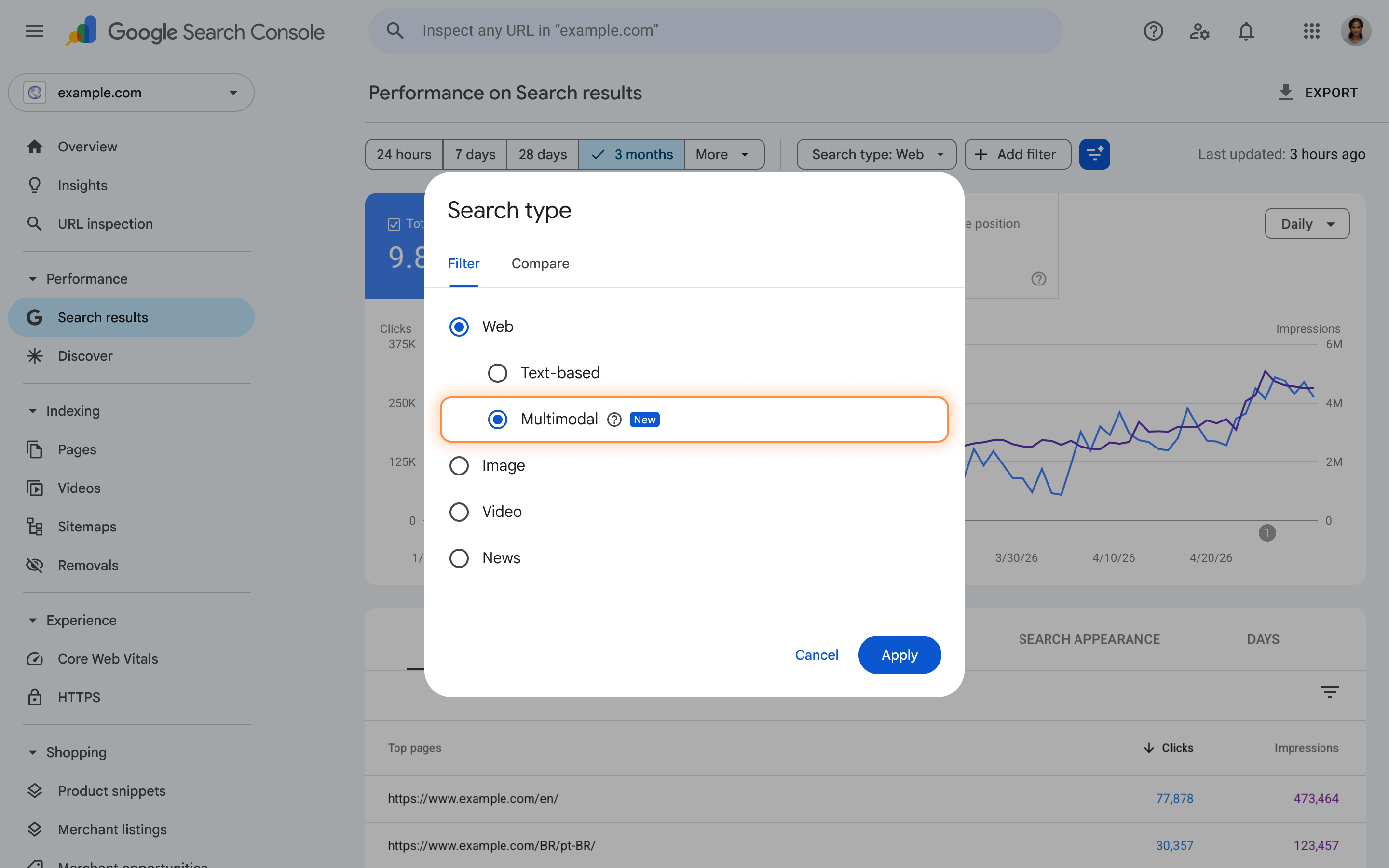
There is also a useful reporting change: Search Console is adding a multimodal filter for searches involving images, including Google Lens and Circle to Search. It offers another view of how people discover your pages, where your site has that activity.
My take: watch your search clicks and inquiries together, keep your practice information accurate, and give changes time to settle before making big decisions.
Follow the update or see the new reporting filter.
Do this now:
- Mark September 24 in your reporting so the update has context.
- Compare organic clicks and inquiries before changing important pages.
- Ask your website provider whether the new multimodal filter shows useful activity for your site.
SimplePractice insurance fees change October 1.
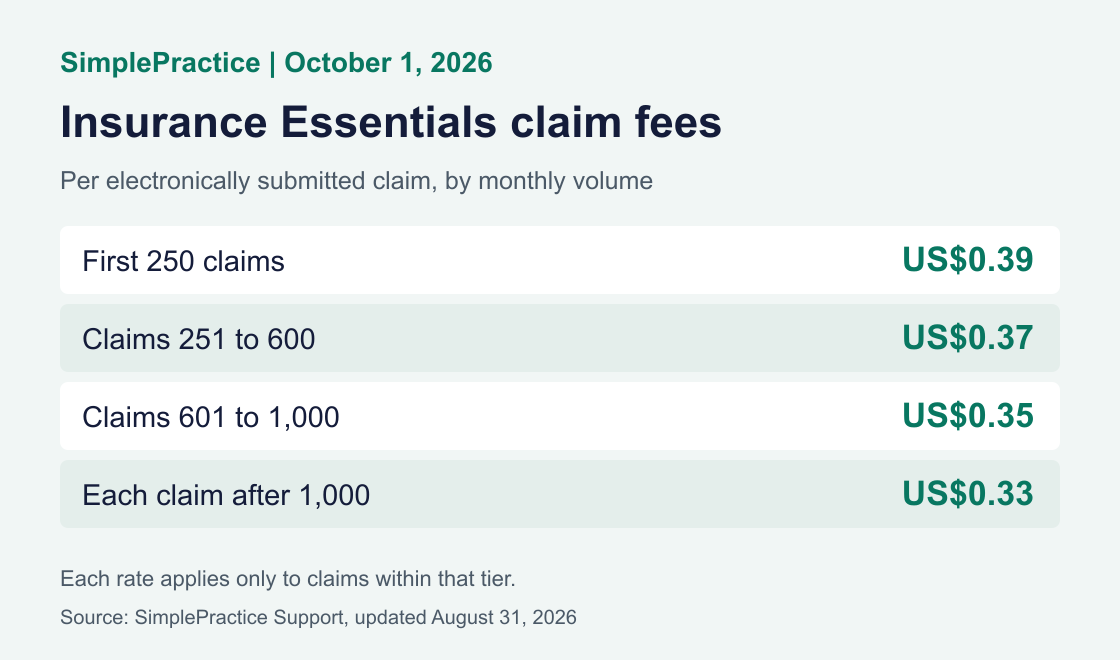
If your US practice submits insurance claims through SimplePractice, check your billing budget before Thursday. From October 1, Insurance Essentials starts at US$0.39 per electronically submitted claim, with lower rates at higher volumes. The free claims included with Essential and Plus plans are ending; base subscription fees stay the same.
The optional Insurance Navigator offering charges US$1.79 per claim. Before upgrading, confirm which features you can actually use: the support page still lists benefit verification and its AI Claim Assistant as coming later in 2026.
This was announced in August, but the deadline is this week. The useful question is what your own claim volume will cost under each option, rather than assuming every practice faces the same increase.
Do this now:
- Use last month's claim volume to estimate your October fees.
- Check the loss of free claims and applicable volume tiers for your plan.
- Confirm feature availability and the total cost before choosing Insurance Navigator.
Canada is working on practical guidance for AI in mental-health care.

Canada's AI guidance project has a fresh update. On September 23, the Canadian Centre on Substance Use and Addiction published updated findings from its work with the Mental Health Commission of Canada. The full guidance is expected in 2027.
Three themes stand out: tools people can understand, protection of the therapeutic relationship, and responsible handling of data. This is guidance being developed, not a new privacy law or a change to PIPEDA.
For practice owners, it is a useful starting point for conversations with AI vendors. Can you explain what the tool does, what information it receives and where human judgment remains essential? Those questions matter whether the product writes notes, helps with administration or interacts with clients.
Explore the Canadian initiative.
Do this now:
- List the AI tools your team uses and the information each receives.
- Ask vendors for plain-language explanations of data use and human oversight.
- Review any client-facing explanation with your clinical and privacy leads.
For teenagers, AI use can be a relationship question.
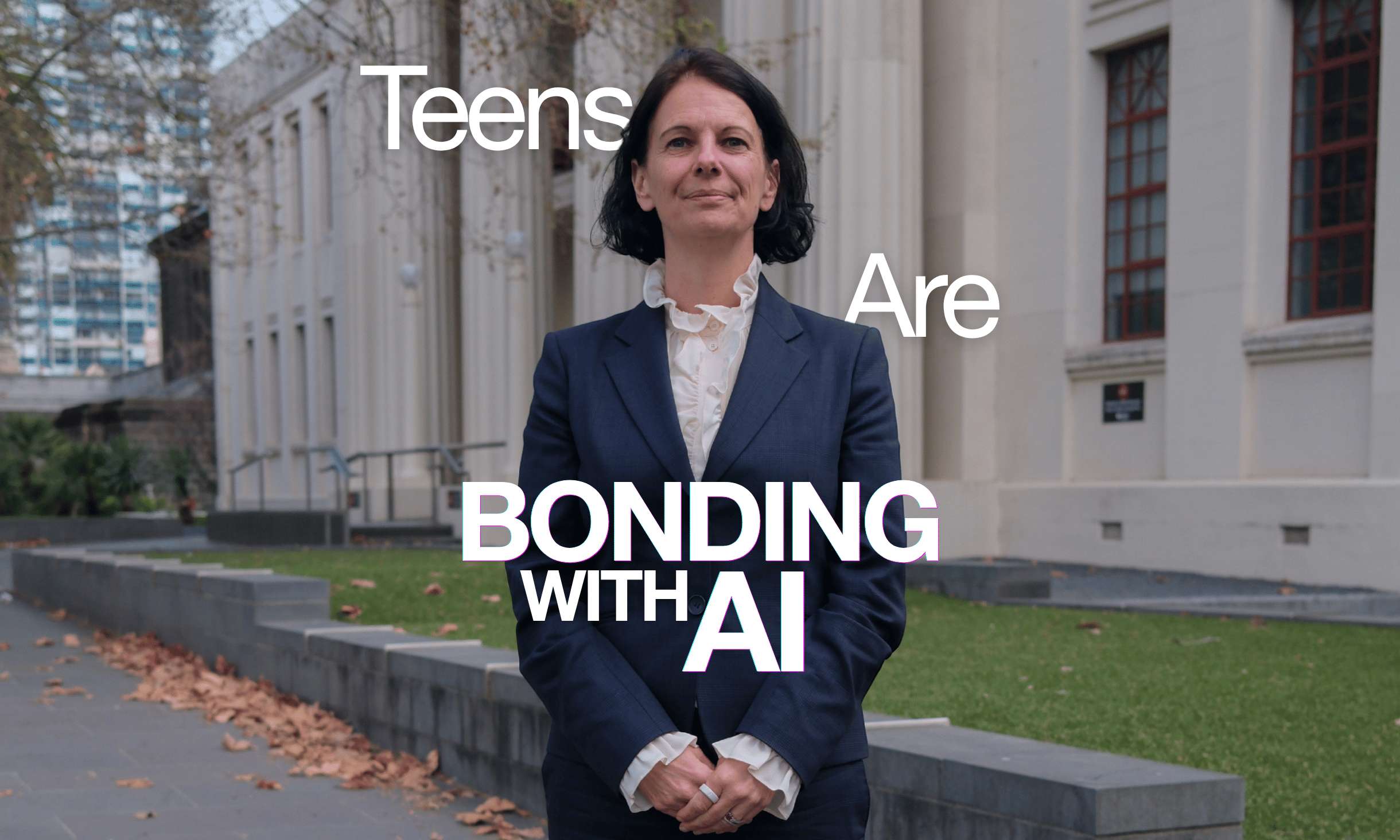
An Australian perspective worth reading this week comes from RMIT's Professor Diana Bowman, who discusses the emotional bonds teenagers can form with chatbots. Her September 21 commentary raises questions about how those relationships affect learning to handle disagreement and connection with other people.
A separate review published the same day in Current Pediatrics Reports examines adolescent AI use and mental health. Much of the evidence is observational, so it cannot establish that AI use causes distress; young people already experiencing distress may also turn to AI.
For therapists working with teens, the useful conversation goes beyond screen time: what is the young person using the tool for, and how does it fit alongside human relationships? This also makes a thoughtful topic for clinician-reviewed parent education.
Read RMIT's commentary and the research review.
Do this now:
- Consider how chatbot use fits into your existing conversations about online life.
- If you support parents, offer a clinician-reviewed explanation of AI companionship.
- Keep educational content clear about what researchers know and what remains uncertain.
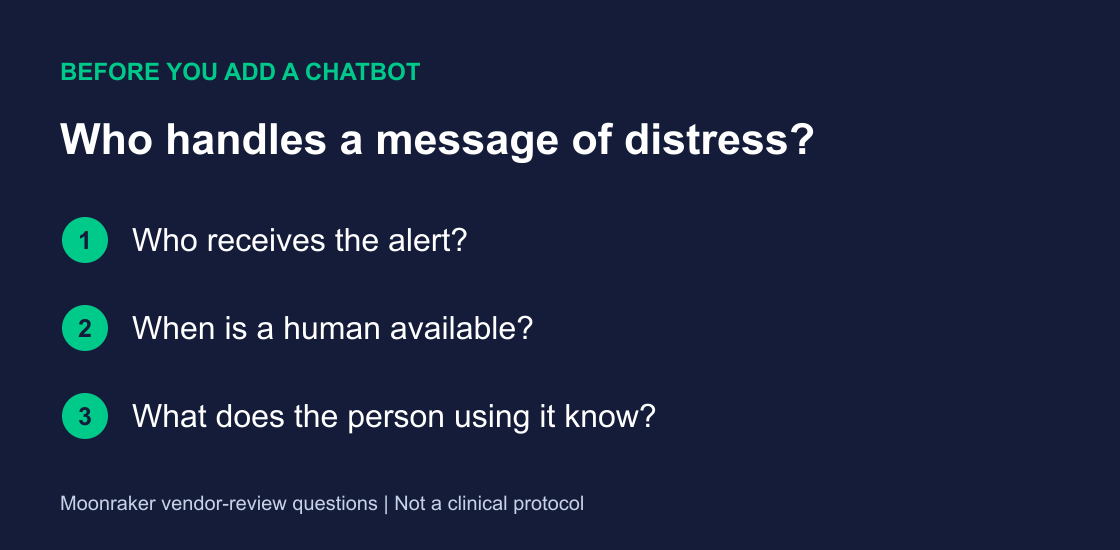
Before adding a chatbot, ask who handles a message of distress.
A September 22 article in npj Digital Medicine looks at an easily overlooked question: what happens when someone tells a healthcare chatbot they are in distress? The authors describe layered safeguards, human review and escalation arrangements drawn from one primary-care addiction-medicine deployment.
These are recommendations that need further validation, not proof that a chatbot can safely manage a crisis. The practical lesson for a practice considering a website or clinical chatbot is to ask about the handoff before buying the tool.
Who sees a concerning message, during which hours, and what does the person using it understand about the service? A reassuring interface should never imply that someone is monitoring it around the clock when that is not true.
Read the authors' recommendations and limitations.
Do this now:
- Ask the vendor to demonstrate how concerning messages are flagged and routed.
- Confirm who is responsible for review and what coverage actually exists.
- Make service hours and chatbot limitations clear wherever the tool appears.
Final thoughts
My takeaway this week is that the tools around your practice are changing quickly, but the decisions still come back to people: how they find you, what they trust, and who takes responsibility for their care.
On the business side, Google's update is a reason to watch your search results and inquiries before making big website changes. Its new reporting may give us another useful view of discovery. And if you submit claims through SimplePractice, October 1 is the date to check your costs, including whether an optional upgrade offers features you can actually use today.
The AI stories point to a bigger question than which tool to buy. Canada's developing guidance puts understanding, human relationships and responsible data use at the centre. The discussion about teenagers reminds us that AI can become part of someone's emotional life. The chatbot research asks who steps in when that person needs help. None of that is solved by a convincing product demo.
From where I sit, the opportunity is to make your practice easier to find and easier to trust while being thoughtful about the technology you bring into it. We can help you make sense of the visibility changes. Your clinical judgment and the relationships you build remain the foundation.
A quick note from me: We're expanding our work with therapy practices in Australia. If you have a colleague here who could use help with their website or Google and AI visibility, I'd love an introduction. Just reply and connect us.
Get the next edition in your inbox
One email a week on Google, AI search, and running a visible therapy practice. No fluff, unsubscribe anytime.