Moonraker is now in ChatGPT. Here's what you can do.
Plus: Medicare's fix for therapist directories, more website links in Google's AI answers, and two deadlines for Australia and Ontario.
Moonraker is now in ChatGPT

If you already use ChatGPT to think through your practice marketing, you can now bring Moonraker into the conversation.
Our new plugin gives you three free tools: check whether AI can read your public website, explore the questions people ask before choosing a practice like yours, and work out what a new client is worth using your own assumptions.
Instead of asking ChatGPT for general website advice, you can ask Moonraker to check your actual website and explain the evidence. Or use the published question library to choose useful topics for your service pages and FAQs.
The website check looks at source pages and files. It does not tell you whether ChatGPT recommends your practice. The client value calculator keeps your figures in the calculator unless you choose to share them with the chat.
See what you can do with Moonraker in ChatGPT, or install the plugin and try a starter prompt. You don't need a Moonraker account or a newsletter signup to use it. Plugin access depends on your ChatGPT account.
Moonraker is an independent plugin for ChatGPT. No OpenAI partnership or endorsement is implied.
Do this now:
- Install Moonraker from the ChatGPT plugin listing and choose a starter prompt.
- Start with your public website address. Keep client information out of your requests.
Medicare plans may soon check therapist listings every 90 days
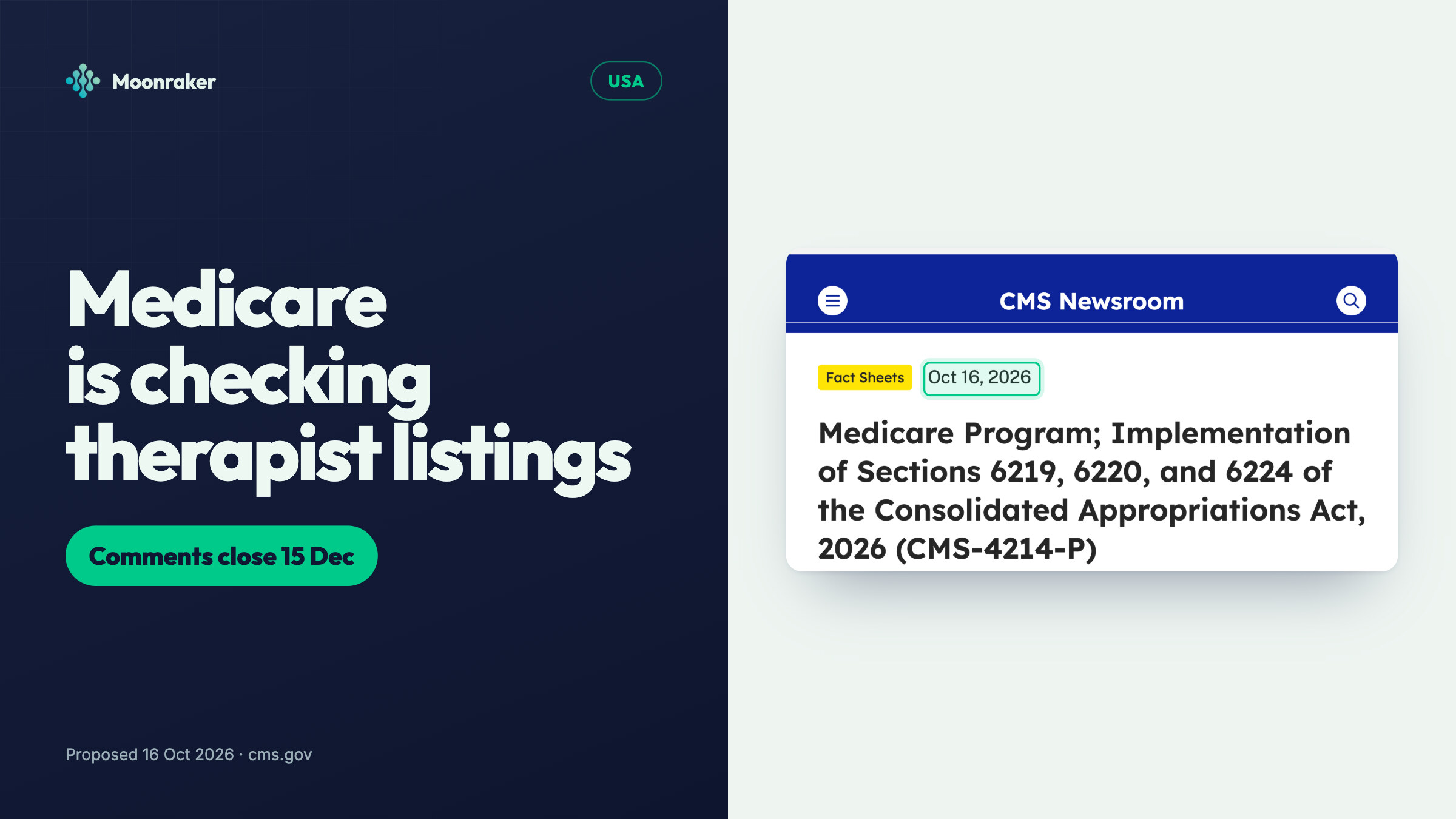
On 16 October 2026, the Centers for Medicare & Medicaid Services proposed rules to fix the directories people use to find an in-network therapist. From 2028, Medicare Advantage plans would have to check every listing at least once every 90 days, label any listing they cannot confirm as possibly out of date, and remove providers who leave a network within 5 business days.
Mental health is the one specialty CMS proposes to single out for extra accuracy testing, naming psychologists, clinical social workers, marriage and family therapists and mental health counselors. The rule cites a federal finding that 55 percent of behavioral health providers listed in plan networks saw no enrollees at all in 2023.
Medicare open enrollment runs until 7 December, so people are searching these directories right now. Public comments on the rule close on 15 December 2026.
Do this now:
- Look up your practice this week in the online directory of every Medicare Advantage plan you are contracted with, and correct anything wrong through that plan's provider portal.
- Make sure your website, Google Business Profile and directory listings all show the same practice name, address, phone number and accepted plans.
- If ghost listings have cost you time or referrals, leave a short comment on docket CMS-2026-2533 at regulations.gov before 15 December.
Google is putting more website links in its AI answers
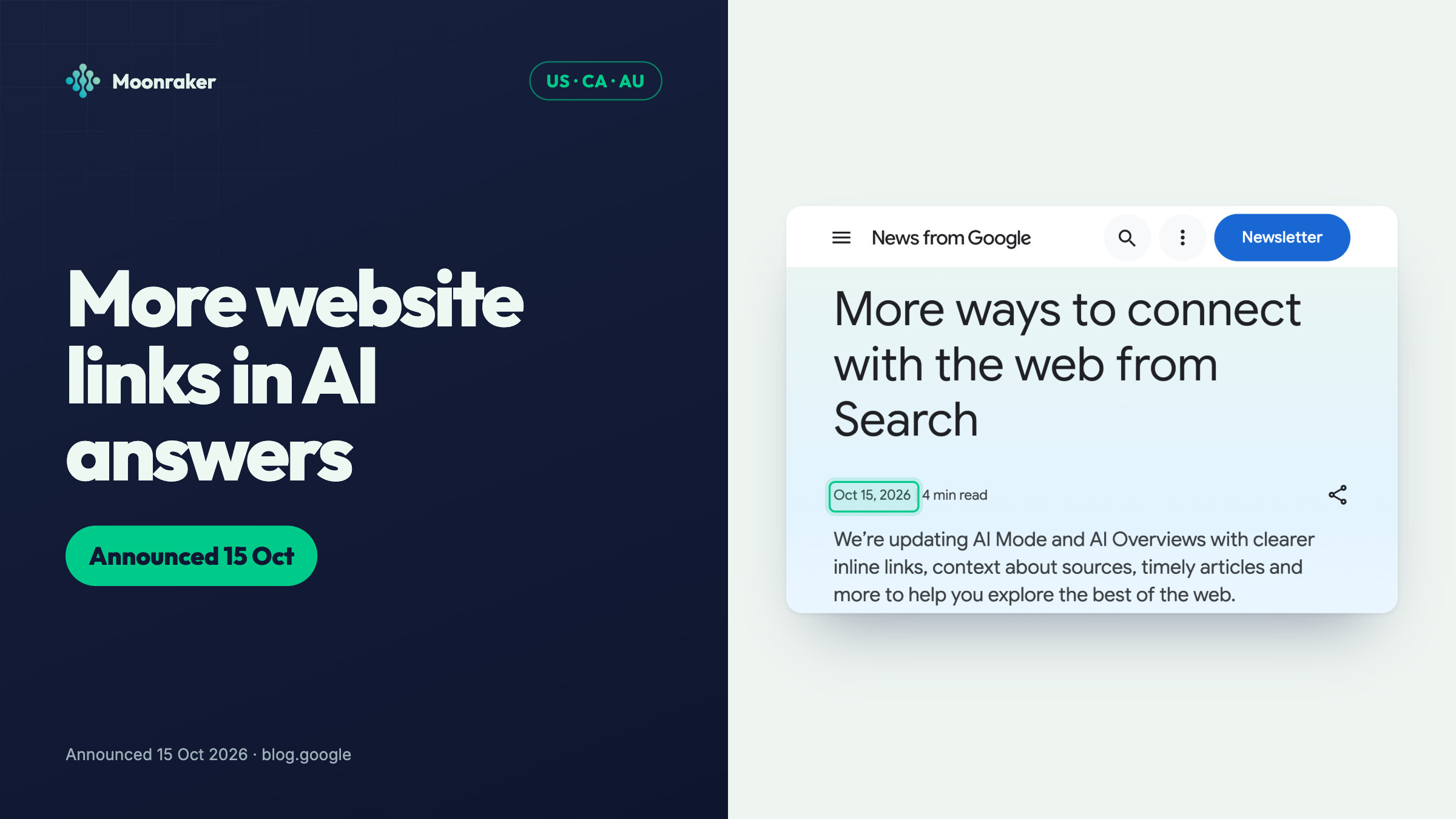
On 15 October 2026, Google said it is adding more clickable links to websites inside AI Overviews and AI Mode, and showing them higher up in answers more often. It is also testing a new section at the top of some AI answers that highlights the one or two official websites where someone can get a task done, with a short note on why each link is useful.
For a practice, that task is usually booking. When someone asks Google how to start therapy with you, or searches your practice name, the answer may now link straight to the page that does the job. That page needs to be clear, current and easy to find.
Google named no country limits on the link changes. The official websites section is still a test.
Do this now:
- Search Google for your practice name plus 'book an appointment' and note which of your pages the AI answer links to.
- Make sure your booking, fees and insurance pages are each one click from your main menu and are web pages, not PDFs.
- Rewrite the first paragraph of your booking page so it says who you see, where, whether you offer online sessions and how to start.
Australia: your privacy policy must cover AI intake tools by 10 December
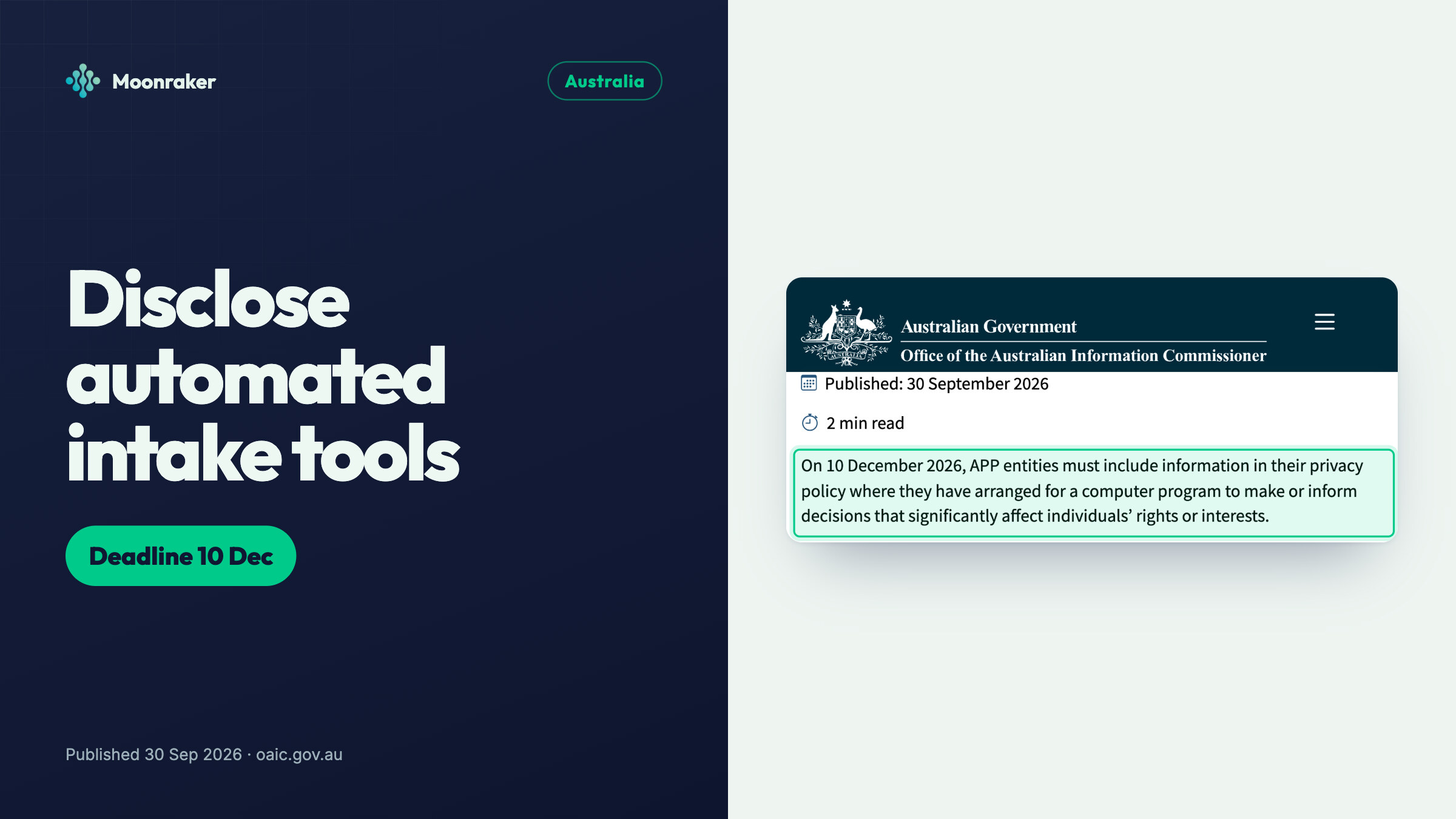
From 10 December 2026, an Australian practice's privacy policy must say when a computer program makes or informs decisions that significantly affect people. On 30 September, the Office of the Australian Information Commissioner published a fact sheet, a flowchart and updated guidelines explaining the new rule.
Being a small practice does not exempt you. The OAIC says the Privacy Act covers every health service provider regardless of turnover, including psychological and mental health services. Its examples include a spreadsheet that scores and ranks people to decide who is contacted first, and it says chatbots and AI tools count, even when a person reviews the result.
If your intake form, booking rules, chatbot or AI tool screens, scores or routes new enquiries, you will probably need to update the privacy policy on your website before the deadline.
Do this now:
- List every tool that touches a new enquiry, from intake forms and booking rules to chatbots and AI note takers, and mark the ones that screen, score or prioritise people.
- Email each software provider and ask for a plain description of what information their tool uses and what decisions it makes or informs.
- Add a 'Decisions made by computer programs' section to the privacy policy on your website and publish it before 10 December 2026.
Ontario: CRPO wants your feedback on five registration changes
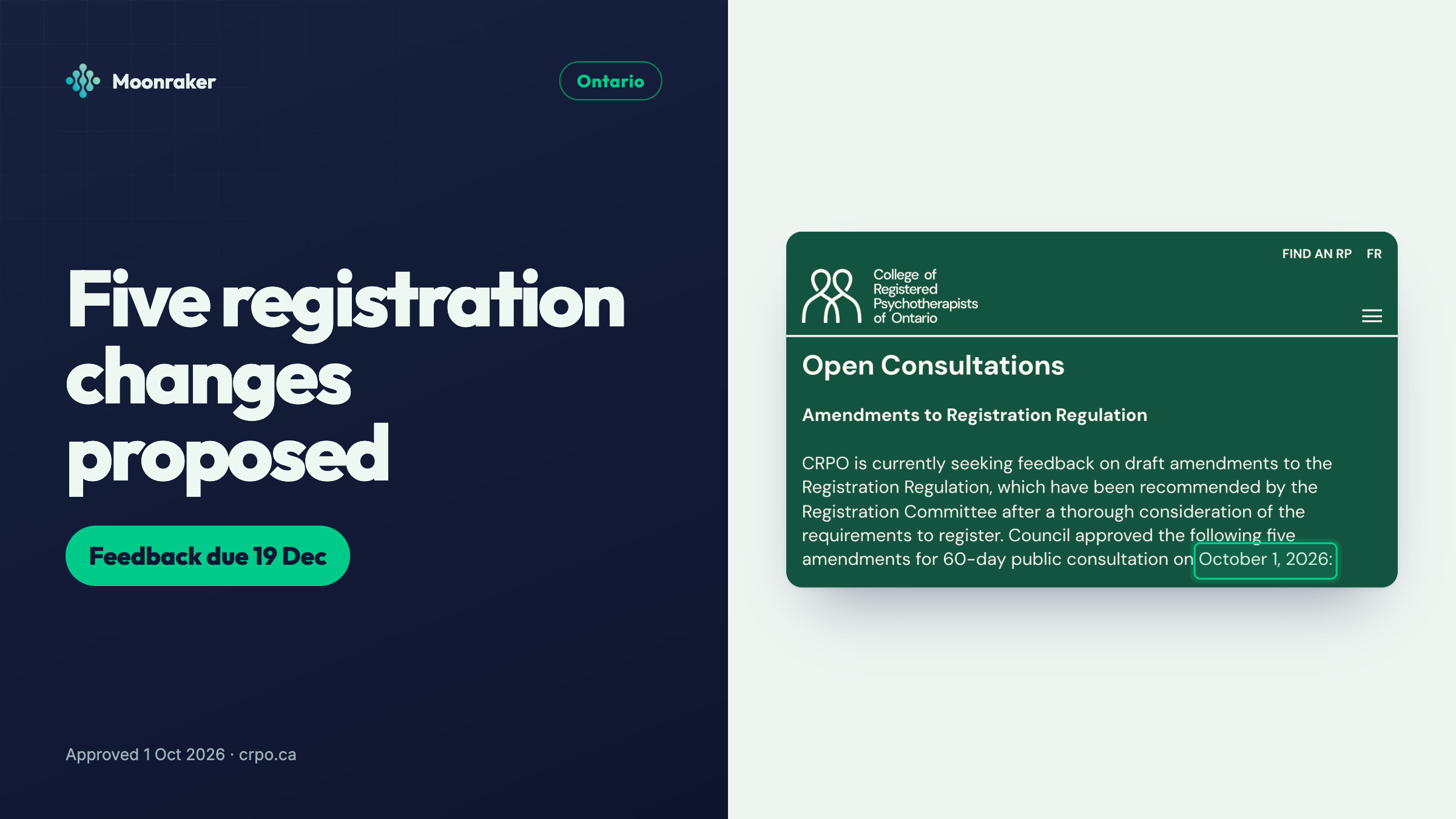
On 1 October 2026, the College of Registered Psychotherapists of Ontario approved five proposed changes to its Registration Regulation for public consultation. Registrants, applicants and the public can send feedback until 19 December 2026.
Two changes matter most for practices that hire newer therapists. Students could no longer register as RP (Qualifying) before they graduate. RP (Temporary) registrants would need regular clinical supervision until they reach 1,000 direct client contact hours and 150 clinical supervision hours. Recognized programs would also have to give students at least 125 direct client contact hours and 30 supervision hours.
If your practice grows through associates or lower fee clinicians, these rules shape when new team members can start seeing clients, and how much availability you can honestly promise on your website next year.
Do this now:
- Read the five proposals on the CRPO public consultations page and send your feedback before 19 December 2026.
- If you plan to hire students or new graduates in 2027, check their graduation dates against your hiring timeline.
- Check that every clinician's title on your team and booking pages, such as RP (Qualifying), matches their entry on the CRPO public register.
Quick wins for the week
- Try Moonraker in ChatGPT on your own website and see what it can and cannot read.
- Check your listing in every Medicare Advantage plan directory before open enrollment ends on 7 December.
- Search your practice name plus 'book an appointment' and check which page Google's AI answer links to.
- Australia: add a 'Decisions made by computer programs' section to your privacy policy before 10 December.
- Ontario: send CRPO your feedback on the registration changes before 19 December.
Final thoughts
I'll be honest, this edition is a proud one for me. Having our own plugin approved and live inside ChatGPT is a real milestone for our small team.
We built it for the same reason this newsletter exists. More people are asking an AI assistant for help before they ever pick up the phone, and I want your practice to be one it can actually read, understand and point to. Give it a try with your own website this week, and hit reply to tell me what it found.
The other four stories share a thread too. A Medicare directory, a Google answer, a privacy policy, a team page. None of it is glamorous, but it's where a new client decides whether to trust you. Pick one action from this edition, block out 20 minutes on Friday, and get it done.
Get the next edition in your inbox
One email a week on Google, AI search, and running a visible therapy practice. No fluff, unsubscribe anytime.