ChatGPT now lets you claim your practice
Plus Google's core update, the 1 in 5 who never hear back, an AI privacy warning, and a new Message button on Google Maps
ChatGPT now lets you claim your practice's profile
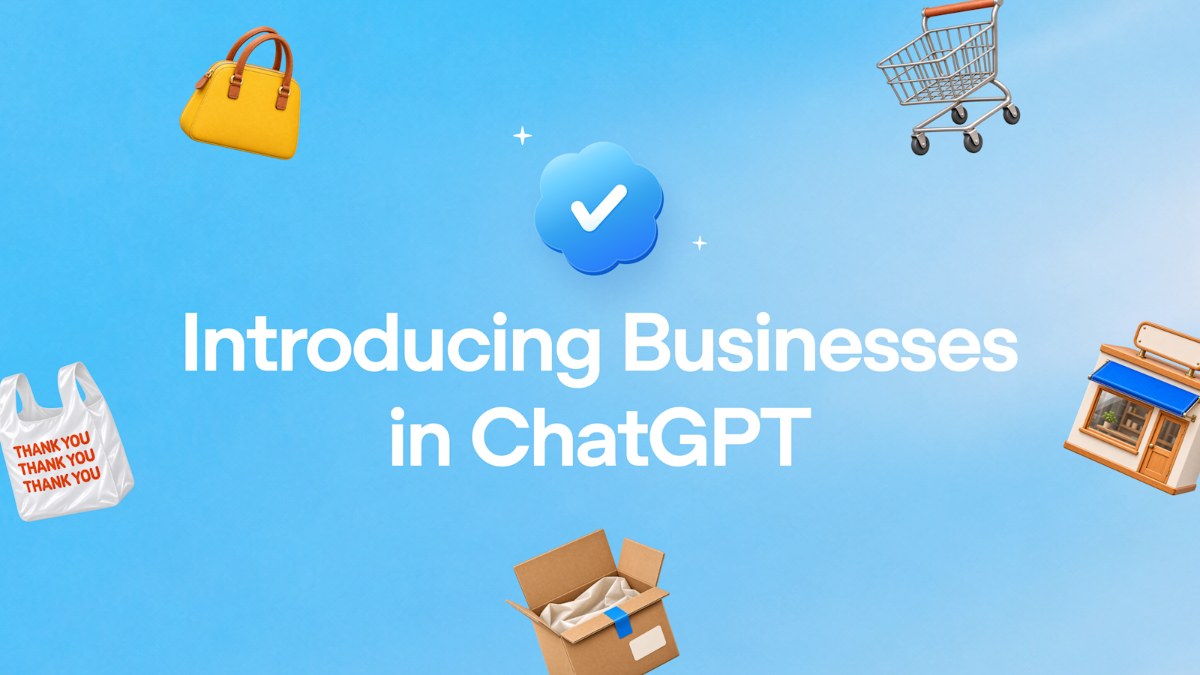
OpenAI launched Businesses in ChatGPT on November 10, 2026, in beta. Owners or authorized representatives can open the Business Hub from the ChatGPT sidebar, search for their practice, and claim it. Verification happens through a business phone number, business email, website domain, or Shopify, followed by identity verification through Persona.
Once approved, you can update your website, description, category, logo, and policies, plus see 28 days of aggregate data on mentions and website clicks. OpenAI is clear that claiming your profile does not guarantee more visibility or control over what ChatGPT recommends. Right now, eligibility covers existing US listings, and availability depends on your location and business type.
Do this now:
- Search for your practice name in ChatGPT's Business Hub to see if a listing already exists.
- Gather your business phone, email, and website domain now so verification goes smoothly if you're eligible.
- Check back periodically since eligibility is expanding and location rules may change.
Google's November core update is rolling out. Give it two weeks
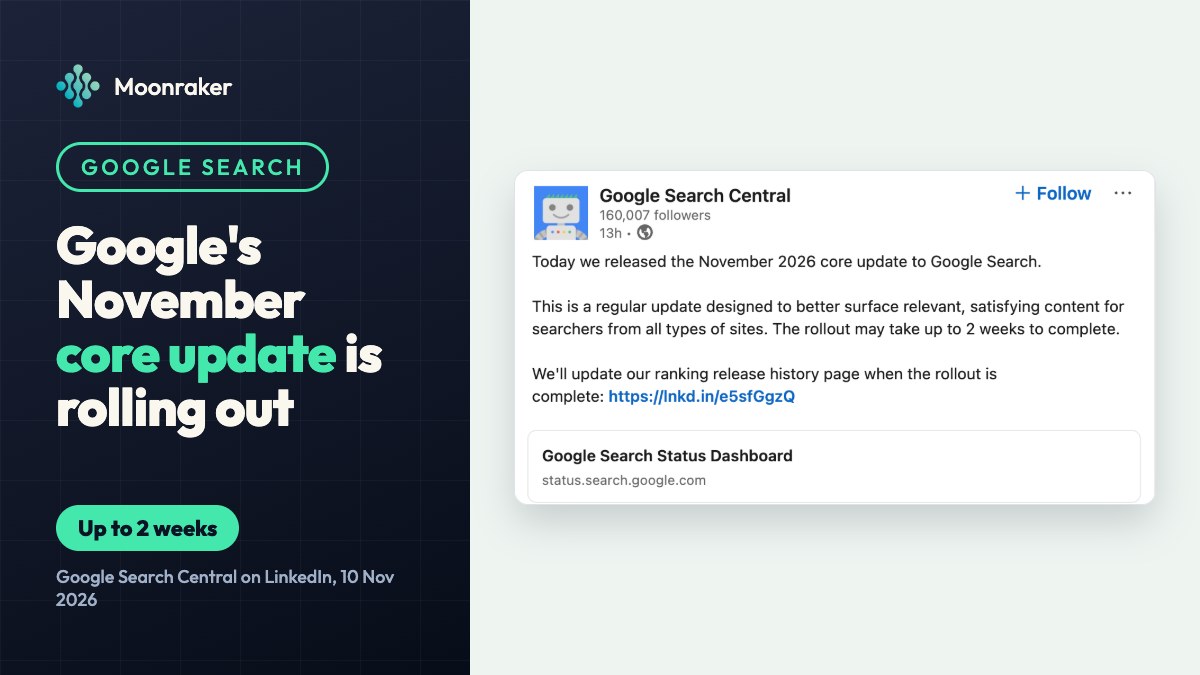
Google released its November 2026 core update on November 10 at 18:06 UTC. It applies globally, across all languages, and Google says the rollout may take up to two weeks to finish. This is the third core update of 2026, following updates in March and May.
Google's own guidance says to wait a full week after the update completes before analyzing any changes to your traffic, and to compare that week against the week before the update started. Avoid making quick fix changes based on early movement. If your rankings shift, recovery from a core update can take several months, not days.
Do this now:
- Note today's date and avoid making major website changes until the rollout finishes.
- Wait at least one full week after completion before comparing your search traffic.
- Resist the urge to make quick fixes based on short term ranking swings.
One in five people who reach out for help never hear back
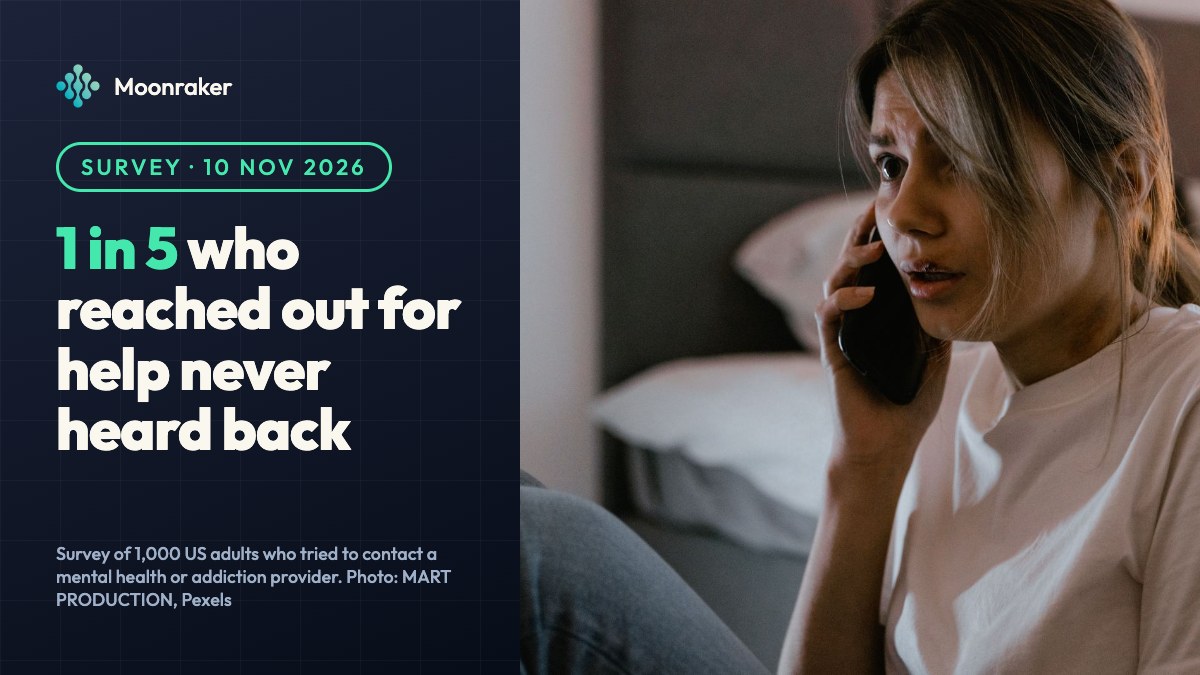
A survey of 1,000 US adults, fielded in late August and early September 2026 and released November 10, found that 20% of people who tried to contact a mental health or addiction treatment provider never received a response. That number has not improved from last year.
Phone remains the top contact method at 75%, followed by text or chat at 38%, email at 30%, and video or telehealth at 25%. Preference for speaking with a live person first rose to 42%, while interest in AI chatbots as a first step dropped from 26% in 2025 to 18% in 2026. Long wait times or slow responses were cited as a barrier by 18% of respondents, up from 15% the year before.
Do this now:
- Check how long it takes your front desk or intake line to return a missed call.
- Make sure your phone number is answered or returns calls within one business day.
- Add a simple way for prospective clients to reach a live person quickly.
Staff pasted client notes into a personal ChatGPT account. Set your AI rule now
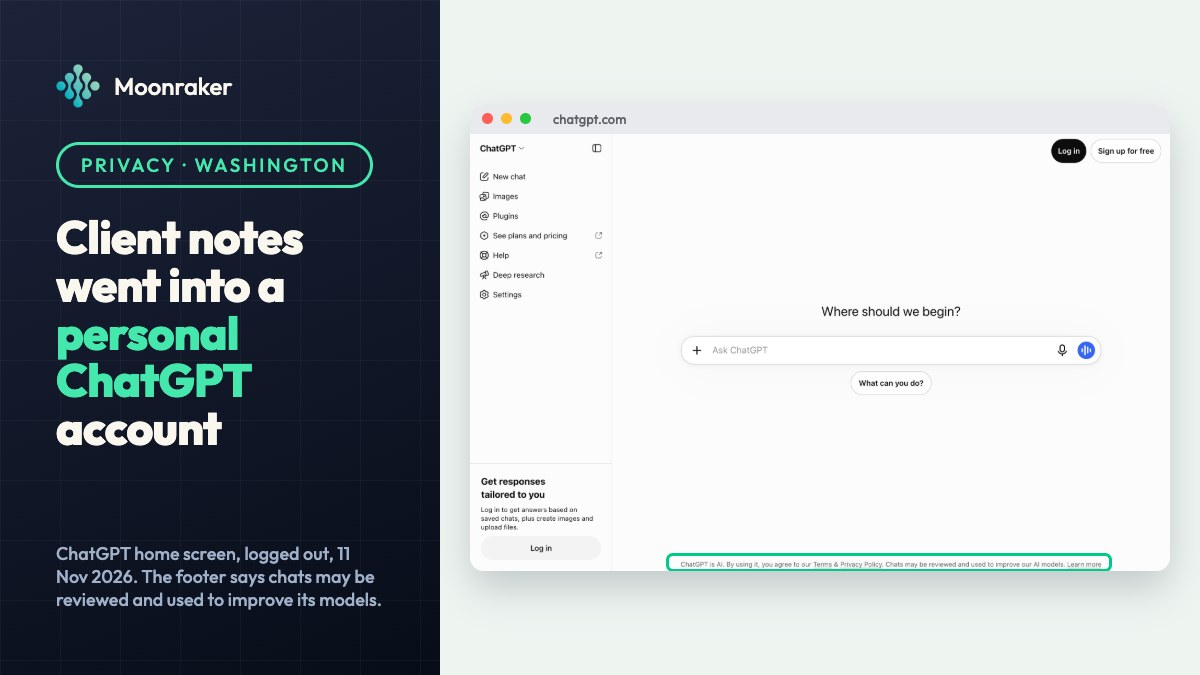
The HIPAA Journal reported on November 9 that a staff member at a mental health facility run by the Washington Department of Social and Health Services used a personal ChatGPT account to draft summaries of client case notes. Those notes included names, diagnoses, and medications. DSHS found one instance, then discovered multiple earlier instances by the same employee.
The state notified 12 families, and a similar incident affected four people at another facility. Employees were instructed to delete all ChatGPT prompts before deleting their accounts entirely. This happened at a public agency, but the same risk exists in any practice where staff use unapproved AI tools with real client information.
Do this now:
- Write a one page policy on which AI tools staff may and may not use with client information.
- Tell every team member that personal AI accounts are off limits for case notes.
- Review what tools your staff currently use to draft summaries or notes.
Google Maps now puts a Message button next to Call. Check where it goes
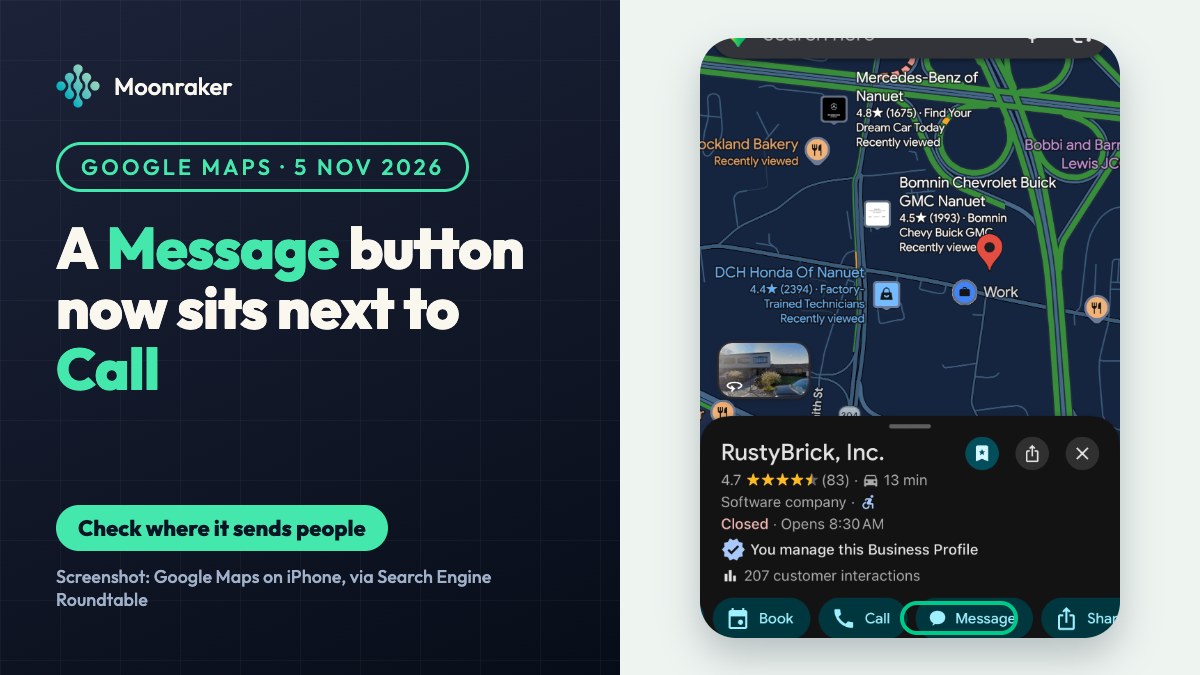
Google's November 2026 Small Business Bulletin, posted November 5, confirmed that messaging has expanded to Google Maps. Customers on Android and iOS now see a Message button right next to Call, visible from the profile, the expanded header, or the bottom action bar. Previously, chat was buried deep in the profile.
Tapping Message routes the customer to wherever your business already handles messages, including WhatsApp or SMS/Text. This matters alongside the finding that one in five people never hear back from a provider. The feature only works if you already have chat set up on your Business Profile, and your preferred messaging channel is set there too.
Do this now:
- Log into your Google Business Profile and confirm chat is turned on.
- Set your preferred messaging channel so new inquiries land somewhere you actually check.
- Test the Message button yourself on Maps to see where it sends you.
Quick wins for the week
- Search your practice name in ChatGPT's new Business Hub to see if you're already listed.
- Mark your calendar to check search traffic one week after November 10's Google core update finishes.
- Confirm your Google Business Profile has chat enabled and the right messaging channel selected.
- Set a simple rule today that no client information goes into personal AI accounts.
Final thoughts
This week's stories share one thread: the tools for reaching clients and showing up online are multiplying faster than any single practice owner can track. ChatGPT now has business profiles. Google is rewriting its search rankings again. Maps has a new message button. Meanwhile, one in five people trying to reach a provider never hear back at all, and a single staff member's personal AI habit put a public agency in the position of notifying families about exposed client information.
None of this is optional anymore, but none of it should fall entirely on you either. While you're providing therapy, we're monitoring policy changes, protecting your Google presence, and optimizing for AI search. You shouldn't need to become an SEO expert, compliance specialist, and tech strategist on top of being a therapist.
Get the next edition in your inbox
One email a week on Google, AI search, and running a visible therapy practice. No fluff, unsubscribe anytime.