
Future Proof Your Practice
Build a reputation
people can trust.
The Reputation pillar:
real relationships, visible contributions.
Why reputation matters
Give people reasons to trust you.
Your own story
Your website explains your services, qualifications and approach.
- Make your expertise clear
- Connect claims to information people can check
This is the foundation you built in Parts 2 and 3.
Your professional presence
Colleagues, publications and public profiles add context to that story.
- Show the work you contribute
- Make relevant recognition easy to find
Let real professional activity shape what you publish.
Clear public information supports discovery. No endorsement count or platform combination guarantees an AI recommendation.
Your presenter · Moonraker
I’m Scott Pope.
Helping therapy practices make sense of search, AI and growth.
At Moonraker, I work with the educators, consultants and partners who support therapists in private practice.
Make your professional reputation visible, with an approach that respects your relationships and your practice.

Practice example · Search Console clicks
Look at the evidence.
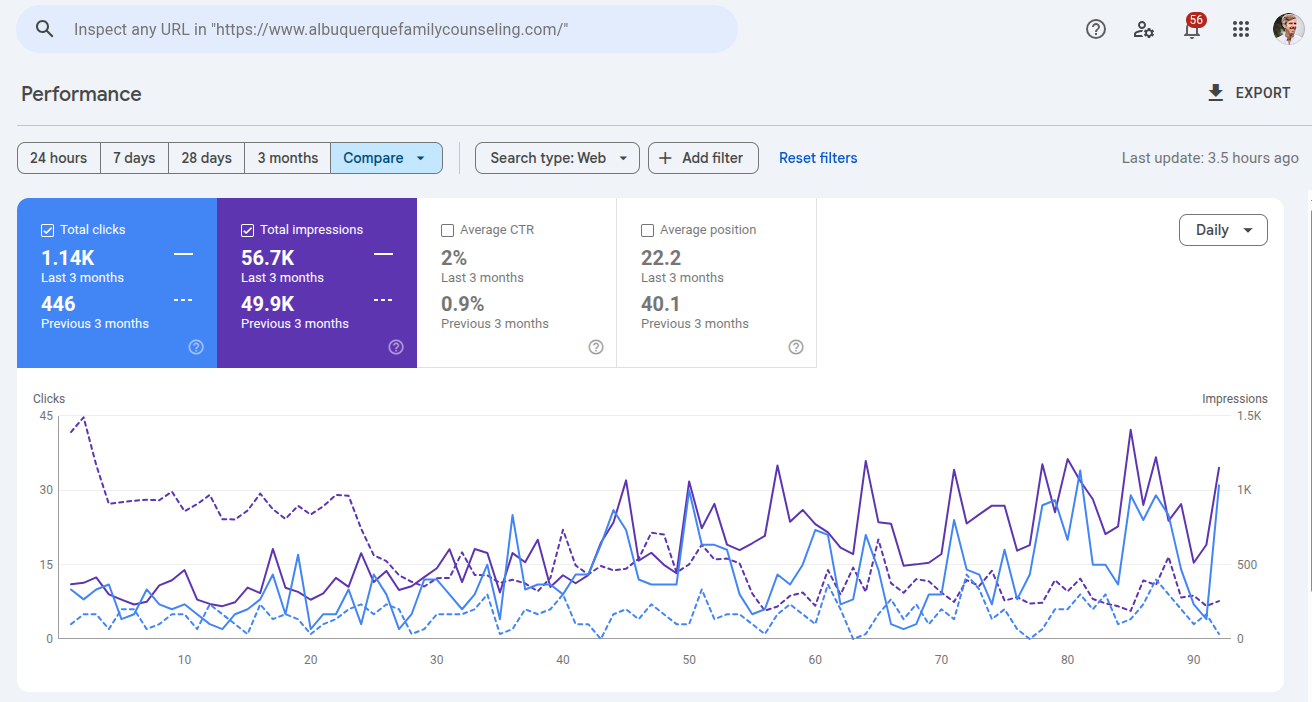
- Previous 3 months
- 446clicks
- Last 3 months
- 1.14Kclicks
Couples and family counseling practice. Exact comparison dates are not shown.
Practice example · Search Console clicks
EMDR, somatic therapy and intensives.
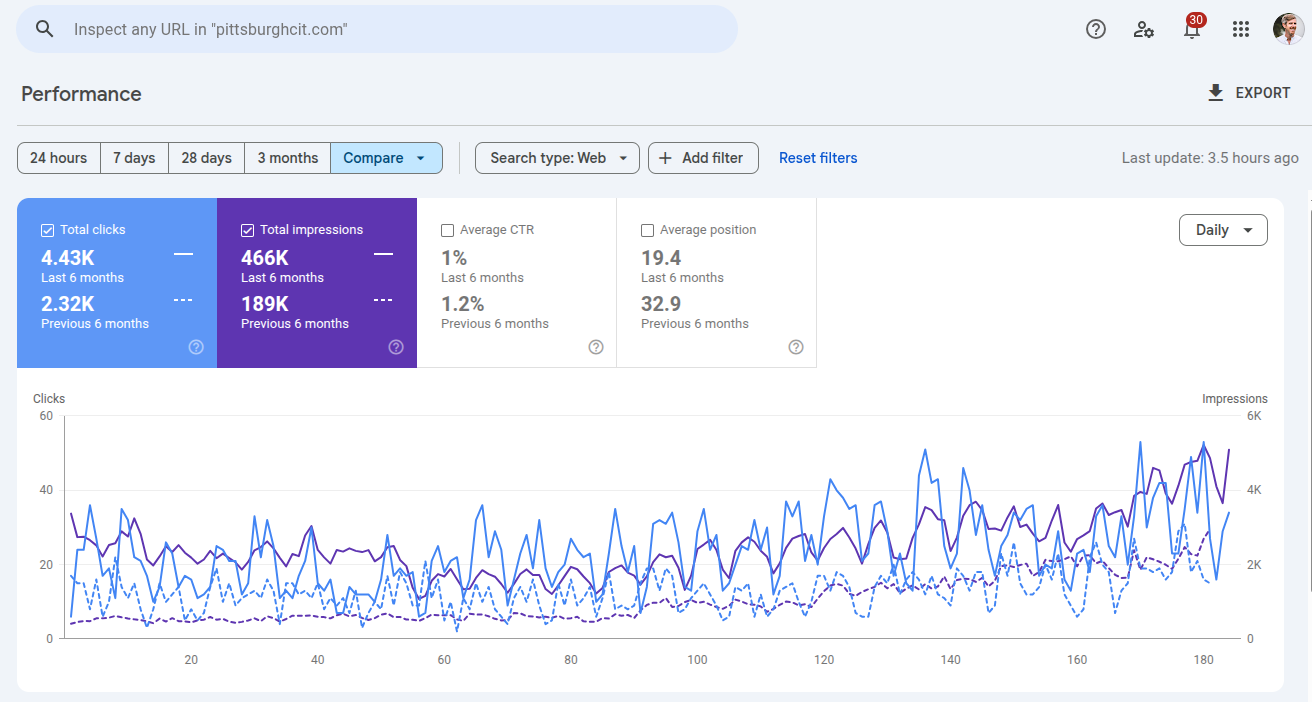
- Previous 6 months
- 2.32Kclicks
- Last 6 months
- 4.43Kclicks
EMDR, somatic therapy and multi-day intensives. Exact comparison dates are not shown.
Practice example · Search Console clicks
ADHD and autism assessments.
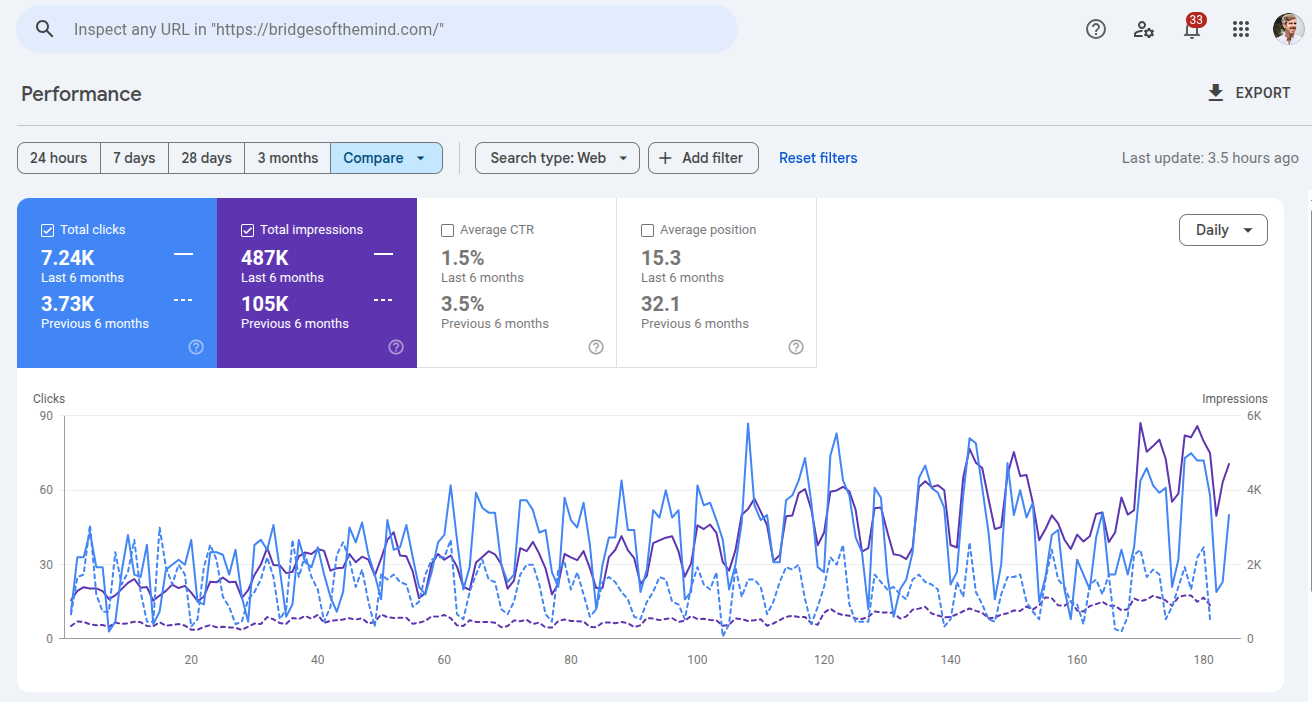
- Previous 6 months
- 3.73Kclicks
- Last 6 months
- 7.24Kclicks
Psychological assessments, including ADHD and autism testing. Exact comparison dates are not shown.
The CORE Marketing System™
Four pillars.
One clearer picture of your practice.
- C
Credibility
Do you exist, and are you qualified?
- O
Optimization
What do you treat, how, and where?
- R
Reputation
What supports your expertise?
- E
Engagement
How can someone connect with you?
03 · Reputation
Let your reputation
become visible.
Show the professional relationships and useful work behind your practice.
Build from real experience. Publish with care. Keep the details accurate.
A practical reputation strategy
Real work. Clear recognition.
Start with what you already contribute to your professional community.
- Work
Contribute something useful
Teach, collaborate, write or share your expertise with colleagues.
- Credit
Describe the real connection
Use accurate professional context and recognition based on direct experience.
- Show
Help people find it
Connect appropriate profiles and public work from your website.
Several copies of the same endorsement are not several independent professional relationships.
Before you ask · Professional boundaries
Protect the therapeutic relationship.
Keep clients out of this plan
This lesson uses a conservative approach: no review requests to current or former therapy clients.
- No requests to repurpose a client’s private praise
- No client stories or identifying details
A public post does not remove your confidentiality duties.
Check your own requirements
Rules differ by credential, jurisdiction and the relationship involved.
- Review your licensing and professional standards
- Check the platform’s separate requirements
A peer endorsement still needs an appropriate context.
NASW 4.07 and AAMFT 9.2 address current clients and people vulnerable to undue influence. They are not identical rules for every profession.
Your starting point · A specific plan
Know the rules before the request.
Check the relationship, wording and platform before asking.
- 01
Credential
Which standards apply?
Check your licensing board, professional code and specialty requirements.
- 02
Relationship
Can this person freely decline?
Consider supervision, employment, financial ties and other sources of pressure.
- 03
Publication
What may you share?
Check permission, attribution, privacy and how to describe the connection.
- 04
Platform
Does the format allow it?
Check the platform’s rules. Seek advice on unresolved questions before proceeding.
Your professional community
Who knows your work?
Consider the relationship before asking for an endorsement.
- 01
Colleagues
Shared professional work.
People who have collaborated with you and can describe what they observed.
- 02
Co-presenters
A real contribution.
A colleague who has taught, written or presented alongside you.
- 03
Referral contacts
An established connection.
Professional contacts who know your scope, without sharing client information.
- 04
Training contacts
Relevant direct experience.
An instructor who knows your work, subject to relationship and program rules.
Professional relationships · Room to decline
A professional title is not enough.
Look at the power difference
Employees, students and supervisees may feel obliged to agree.
- Do not put people you supervise on this request list
- Review continuing dependencies in past relationships
A friendly request can still carry pressure.
Keep recognition voluntary
Allow the person to decide whether they have something appropriate to say.
- No exchange of praise, referrals or rewards
- Accept a decline or no reply without pressure
A supervisor’s endorsement also needs a rules check.
Useful recognition · Specific and honest
Make the professional context clear.
- 01
Name therelationship.
Explain how the writer knows your work.
- 02
Describe theexperience.
Refer to something they actually observed.
- 03
Stay within theirknowledge.
Avoid claims they cannot personally support.
- 04
Use their ownwords.
Keep the author’s voice and intended meaning.
Their words.
How we worked together
What I directly observed
Keep client details and clinical outcome claims out of the endorsement.
After the rules check · A thoughtful request
Make the request personal and optional.
Choose one suitable colleague and one appropriate professional channel.
- Ask
Explain the purpose
Name the shared work and where their recommendation would appear.
- Space
Leave room for their voice
Invite an honest account, only if they feel comfortable. Let them write it.
- Check
Confirm any reuse
Ask permission before quoting it elsewhere and agree on the attribution.
Do not supply a finished testimonial for someone else to sign.
Platform choice · Purpose before coverage
Choose the channel that fits.
Professional recommendations
Use a format designed to explain a professional relationship.
- Psychology Today’s colleague endorsements
- LinkedIn’s written recommendations
Check eligibility and visibility on your actual account.
Business review platforms
A business review follows its own rules about experience and conflicts.
- Google reviews have conflict-of-interest restrictions
- Facebook recommendations have audience settings
Do not assume one format is interchangeable with another.
Maintain useful profiles. Repeated praise across platforms is not a proven AI trust multiplier.
Google Business Profile · Review eligibility
Google reviews have their own rules.
The experience must be genuine
Google prohibits reviews based on conflicts of interest.
- Employment and consulting ties can create conflicts
- Professional affiliations can also be relevant
Having a Google account does not make a review eligible.
Keep this plan appropriate
Do not use Google reviews as a workaround for client-testimonial restrictions.
- Avoid review swaps, incentives and supplied praise
- Use a suitable professional format where permitted
Keep your Business Profile’s factual details current.
Psychology Today · Professional recognition
Use peer endorsements.
Check availability in the colleague’s own member account.
- Find
Locate the right profile
Open Endorsements and find the colleague in the member interface.
- Write
Describe real experience
Keep the relationship clear, the wording honest and client details private.
- View
Check the result
Follow the account’s current instructions, then inspect what appears on the profile.
A colleague’s endorsement is their opinion. Psychology Today does not endorse the professionals it lists.
LinkedIn · Work your colleague knows
Ask for a written recommendation.
Use an appropriate first-degree connection you have worked with.
- Ask
Use Recommendations
Request a recommendation from the profile. Choose the relationship and position.
- Write
Let the colleague respond
They write about the work in their own words, or choose to decline.
- Review
Accept or ask for a revision
Check accuracy before displaying it, then review the visibility settings.
Recommendations have visibility limits. Do not assume they are public to every visitor or searchable by every AI system.
Facebook · Business Page recommendations
Check the Page and the audience.
Check the available feature
Page recommendations can be enabled or disabled in settings.
- Look for the Reviews tab on your Page
- Check the current guidance for your account
An enabled feature does not settle professional eligibility.
Check what is actually visible
Facebook displays recommendations according to their audience settings.
- Only appropriate, honest contributions belong here
- Inspect the public view before linking to it
An account is not proof of verified professional identity.
Use this channel only when the relationship, professional rules and platform requirements permit it.
Directories · Accurate professional profiles
Let real qualifications be findable.
Review the relevant directories
Check the professional and training organizations you actually belong to.
- For example, EMDRIA or a relevant training directory
- Confirm current listing and credential requirements
A completed course does not always qualify you for a listing.
Keep the profile precise
Use your actual status and the organization’s approved descriptions.
- Match the right clinician and practice details
- Link to the public profile from the relevant bio
A directory listing does not automatically imply an endorsement.
Professional contribution · Beyond endorsements
Contribute something useful.
Choose a format that suits your experience and audience.
- Write
Explain a useful idea
Publish a clear article with accurate sources and a defined audience.
- Teach
Share what you know
Contribute to a workshop, conference or professional learning session.
- Join
Take part in the conversation
Be a podcast guest, co-author or contributor to a colleague’s publication.
Start with the value of the contribution, then make the published work easy to find.
Published work · Clear attribution
Make your contribution easy to check.
Give the work a clear home
List relevant articles, appearances and presentations on your bio or resources page.
- Name the publication, date and your actual role
- Link to the original article, recording or event
Use accurate titles and credit collaborators.
Keep the context honest
Describe participation without implying a broader endorsement.
- Follow permission rules for logos, clips and quotes
- Use educational examples without client material
An appearance does not mean an organization endorses your practice.
Your website · A useful place for recognition
Put the context beside the quote.
- 01
Confirmpermission.
Agree on the wording, placement and reuse.
- 02
Identify theauthor.
Use their approved name and professional title.
- 03
Explain theconnection.
Label it as a professional endorsement.
- 04
Link thesource.
Use the original post or an agreed professional profile.
endorsement
Approved quote · Name · Role
Professional relationship · Source
Preserve the meaning. Review permissions and links when either practice changes.
Professional connections · Accurate scope
Describe the relationship you have.
A useful resource for visitors
A professional connections page can explain relevant services beyond your own.
- Check whether publishing the relationship is permitted
- Agree on names, descriptions and links
Keep every listing accurate and useful.
Clear limits on what it means
Do not imply an endorsement, partnership or referral agreement that does not exist.
- Keep individual client referrals private
- Review financial ties and any required disclosures
Ask your adviser about unresolved referral restrictions.
Schema · Identity, not endorsement
Connect the right identities.
- Organization
Your practice
The business described on your website.
01 ↗sameAs → Practice profilesUse pages that identify this same practice.
- Person
Your clinician
The professional described on the bio page.
02 ↗sameAs → Personal profilesKeep a clinician’s profiles with that person.
- Separate entity
Your colleague
A different professional with their own identity.
03 ↗A visible, contextual linkTheir profile is not the same entity as yours.
sameAs connects identity. It does not encode an endorsement network or verify the claims on those pages.
Structured data · Describe the facts
Do not turn endorsements into ratings.
Keep the meaning intact
A professional quote is not automatically a star rating.
- Do not invent scores or combine unrelated reviews
- Keep the public wording and its context accurate
Schema describes information. It does not verify it.
Check search feature rules
Google excludes self-serving business reviews from its star review feature.
- Do not aggregate ratings from other websites
- Do not add automatic rating markup to this workflow
Privacy and professional obligations need their own review.
A technical validator cannot establish professional permission, privacy compliance or eligibility for a search feature.
Your reputation checklist · People and contribution
Start with one thoughtful connection.
Build a repeatable habit around appropriate professional work.
- 01
Rules
Resolve the questions.
Check the exact relationship and publication plan before asking.
- 02
People
Choose an appropriate peer.
Look for direct experience and a relationship with room to decline.
- 03
Request
Keep it personal.
Use one suitable channel. Leave the words and decision to the writer.
- 04
Contribution
Share something useful.
Choose an article, talk or collaboration you can contribute with care.
Your reputation checklist · Public presence
Make the useful details easy to find.
Review what a visitor can see and the information behind it.
- 01
Profiles
Confirm the details.
Review current directory listings, credentials and public visibility.
- 02
Website
Show recognition in context.
Check permission, attribution and the source of professional quotes.
- 03
Connections
Match the right identity.
Check bio links and sameAs with your web team. Keep people and practices distinct.
- 04
Upkeep
Review when things change.
Update roles, contributions, permissions and links as your practice develops.
Your next step
Let’s talk about
your practice.
Bring your questions to a free strategy call.